
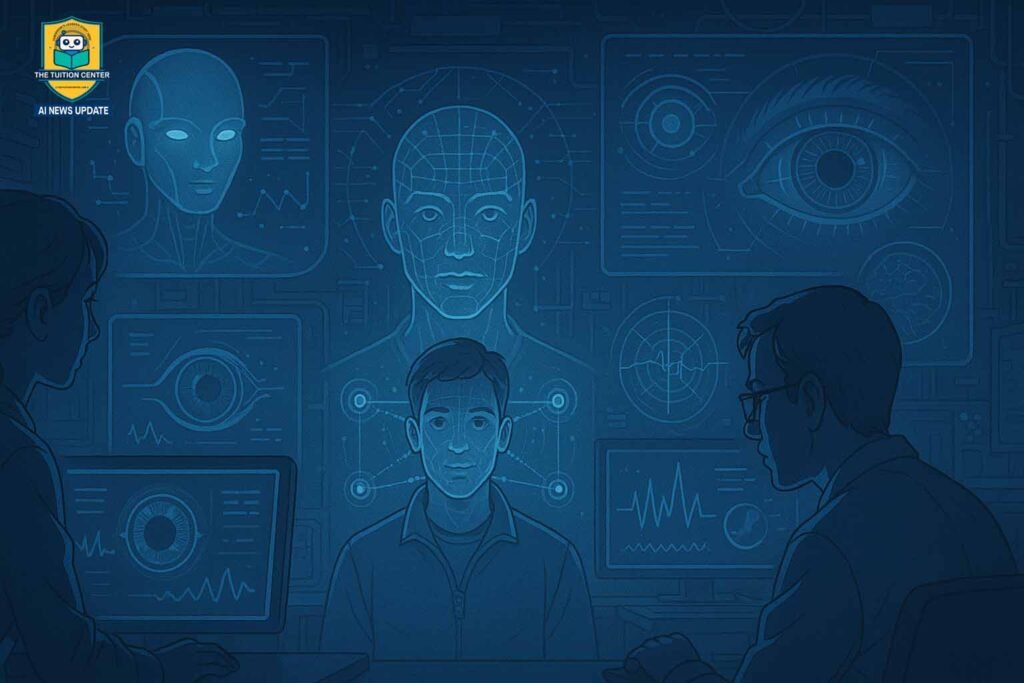
AI-Designed Organic Lifeforms: The New Frontier of Computational Biology
Scientists are using advanced AI models to design entirely new organisms — potentially transforming medicine, climate science, and environmental restoration.
- The global synthetic biology market surpassed $45 billion in 2024.
- AI-designed microbes can break down plastics and toxic waste.
- Medical researchers are testing AI-generated cells that may repair organs.
Introduction
The boundary between biology and computation is dissolving. What once took biologists decades to design in labs is now being accelerated by artificial intelligence, which analyzes genomic patterns, predicts genetic behavior, and designs synthetic organisms with remarkable precision. For the first time in human history, researchers are not merely editing existing life — they are creating new forms of life from scratch, guided by algorithms.
AI-designed organic lifeforms represent the boldest leap in biotechnology since the discovery of DNA. These engineered organisms — some microscopic, some cellular, and some multicellular constructs — can be programmed like software. They can glow in response to toxins, produce medicines on demand, regenerate tissues, or clean oceans. The field is exploding at an unprecedented rate.
Scientists believe that by 2035, AI-designed life could be fundamental to agriculture, medicine, climate restoration, and even space exploration.
Key Developments
1. AI-Generated Cellular Blueprints
Traditional biological design involves painstaking experiments, trial-and-error, and months of testing. AI drastically speeds this up. Models trained on millions of genomic sequences can now propose stable, functional gene combinations in minutes. These “blueprints” are sent to wet labs where synthetic DNA is assembled and tested.
2. Xenobots: First AI-Designed Organisms
The world’s first AI-designed lifeforms, Xenobots, were created by combining frog cells into tiny programmable organisms. In 2024–25, upgraded versions demonstrated self-repair, target-based movement, and biodegradable life cycles — all designed by AI.
3. AI in Gene Editing
CRISPR systems are now paired with generative AI tools that predict off-target effects with high accuracy. This reduces risks and ensures safe genetic modifications, pushing gene therapies closer to mainstream medical use.
4. Programmable Microbes for Environmental Recovery
AI-designed microbes can consume oil, break down Styrofoam, digest microplastics, and neutralize toxic chemicals in water. Cities are beginning to deploy controlled synthetic microbial systems in polluted lakes.
5. Biofactories for Medicine and Materials
Biological systems can produce rare drugs, enzymes, vitamins, and even biofuels. AI optimizes these production pathways, reducing cost and environmental impact. Several pharmaceutical companies have launched AI-powered biomanufacturing labs in 2025.
Impact on Industries and Society
Healthcare
AI-designed cells could revolutionize tissue repair. Scientists are developing programmable stem-cell constructs that regenerate damaged heart tissues, restore nerve functions, or accelerate wound healing. Imagine a future where organ waitlists shrink dramatically because bioengineered tissues grow faster and safer.
Climate & Environment
With oceans choking on plastic, researchers are designing enzymes and bacteria that can break down waste 50–100 times faster than natural processes. Forests damaged by wildfire may be restored using AI-engineered soil microbes that accelerate nutrient cycling.
Agriculture
Synthetic nitrogen-fixing bacteria reduce dependency on chemical fertilizers. AI can tailor microbes to regional soil types, improving crop yield sustainably.
Manufacturing
Bacteria and yeast can be programmed to produce fibers, leather alternatives, biodegradable plastics, and specialty chemicals. This biological manufacturing could replace petroleum-based industry components.
Space Exploration
NASA and ISRO are researching whether synthetic life can help astronauts grow food, recycle waste, and generate oxygen on long-duration missions.
Expert Insights
“The future of biology is programmable. AI will let us design living systems the way engineers design microchips,” says Dr. Hannah McClure, Computational Biologist at MIT.
“AI-enabled synthetic organisms could solve problems that traditional engineering never could—from climate pollution to inaccessible pharmaceuticals,” notes Dr. Raghu Iyer from IISc Bangalore.
“Ethics will decide the destiny of synthetic organisms. Designing life is a privilege and a responsibility,” says EU Bioethics Council advisor Livia Moretti.
India & Global Angle
India is positioning itself as a major biotechnology hub. Bengaluru, Hyderabad, and Pune are home to new AI-bio labs building enzymes for agriculture, biodegradable polymers, and low-cost medical biosensors. Several Indian institutes are partnering with global universities to develop AI-designed medical cells for diabetes, tuberculosis, and anemia — diseases disproportionately affecting low-income countries.
Globally, the United States, Japan, South Korea, Germany, and the UK are leading in computational biology. China is rapidly expanding its gene-design capabilities as part of national biosecurity objectives. Africa and South America are focusing on AI-designed organisms for soil restoration and sustainable farming.
Policy, Research, and Education
Governments worldwide are drafting guidelines to regulate synthetic life. Key concerns include biosafety, genetic drift, cross-species contamination, and ethical limits on human–AI biological engineering. India’s Department of Biotechnology is finalizing a 2025 BioAI Regulatory Framework with global collaboration.
Universities are introducing new interdisciplinary degrees combining AI, genetics, bioengineering, nanotech, and environmental science. By 2030, Bio-AI literacy may become as important as computer literacy.
Challenges & Ethical Concerns
- Risk of synthetic organisms escaping controlled environments
- Potential misuse in biological warfare
- Lack of consensus on “acceptable” levels of biological modification
- Environmental impact of newly introduced genetic systems
- Ethical concerns around creating living beings with no evolutionary history
Experts warn that regulations must balance innovation with caution. The world cannot afford another unregulated technological boom—especially when living organisms are involved.
Future Outlook (3–5 Years)
- Bioengineered cells will enter regenerative medicine trials for heart and nerve repair.
- AI-designed microbial teams will be deployed for large-scale environmental cleanup.
- Lab-grown biofactories will produce rare medicines at one-tenth the cost.
- Schools will teach bio-coding basics, preparing students for the Bio-AI economy.
- Space agencies will test synthetic life for Martian agriculture and oxygen recycling.
Conclusion
AI-designed organic lifeforms could become one of the most pivotal scientific breakthroughs of the century — capable of healing our sick, repairing the planet, and redesigning industries from the molecular level. But this power comes with responsibility. Humanity is stepping into a realm once reserved for nature. Whether this becomes a miracle or a mistake depends on global collaboration, ethical guardrails, and the choices we make today.
For students, educators, and innovators, this moment is historic. Computational biology is no longer a niche field — it’s the future. The generation that learns how to design life may become the generation that saves life.