
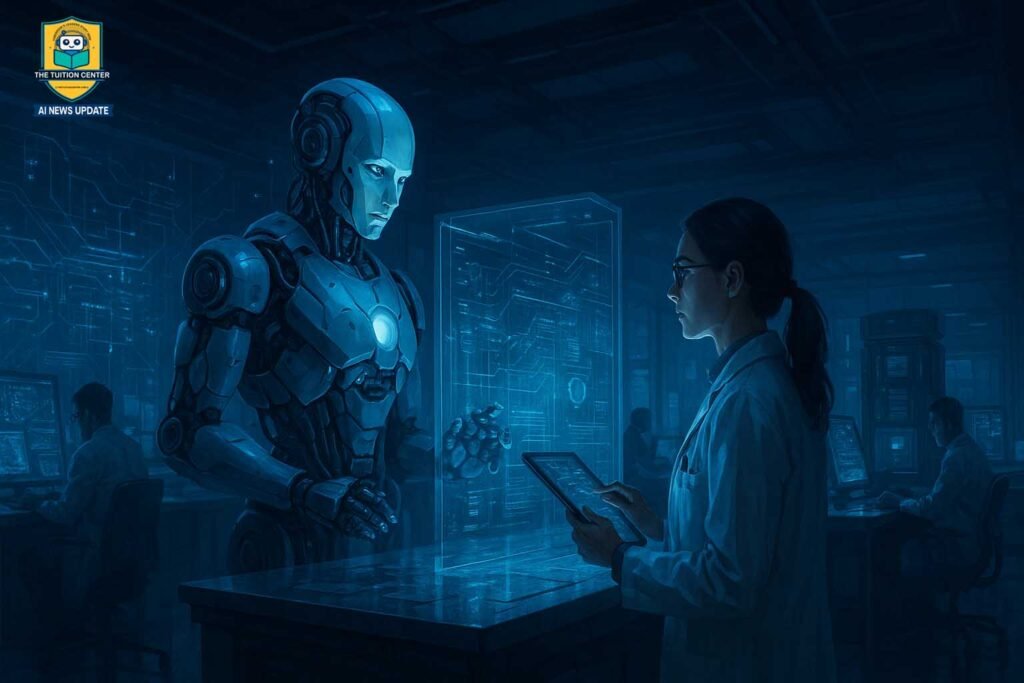
Reality 2.0: How AI Is Redefining Video, Voice, and Virtual Presence Across the Internet
From hyper-realistic AI avatars to real-time voice clones and immersive digital humans, AI is rebuilding the internet’s visual and audio identity — and reshaping communication forever.
Key Takeaway: The internet is shifting from text-first to presence-first — where AI-generated video, voice, and avatars become the new language of communication.
- AI-generated video content has increased 18× since 2024.
- Voice cloning and multilingual lip-syncing are now mainstream.
- Virtual humans are entering classrooms, workplaces, and entertainment.
“`
Introduction
The world is entering a new digital era — an era where your identity doesn’t end with your physical presence. With advanced AI video, voice synthesis,
hyper-realistic avatars, and instant transformation tools, people can be everywhere at once. This shift is so massive that experts are calling it
Reality 2.0 — a fusion of real and artificial presence that expands what humans can do online.
We’ve gone from typing messages…
to recording videos…
to generating videos…
and now, to becoming digital versions of ourselves that speak any language, appear in any setting, and operate at any scale.
This isn’t just a technology upgrade — it’s a communication revolution.
What Is Reality 2.0?
Reality 2.0 describes a digital world where:
- Your video can be generated from a single photo.
- Your voice can speak 50 languages fluently.
- Your avatar can run meetings while you sleep.
- You can interact with AI characters who behave like real people.
- Virtual spaces feel as real as physical ones.
It combines:
- AI video generation (face, body, motion synthesis)
- AI voice synthesis (voice cloning, emotion control)
- Digital avatars (talking heads, full-body models)
- Virtual human agents (AI personalities)
- Immersive environments (VR/AR + AI)
Key Developments Driving Reality 2.0
1. Real-Time AI Video Generation
Tools now generate hyper-realistic talking videos in seconds from:
- a text prompt
- a script
- a voice note
- a single image
Motion accuracy, facial dynamics, and lip synchronization are almost indistinguishable from real footage.
2. Voice Cloning + Multilingual AI Speech
Modern AI doesn’t just clone your voice.
It captures your:
- tone
- breathing pattern
- accent
- emotion profile
Then it speaks in 50+ languages with perfect emotion and lip-sync.
3. AI Avatars as Digital Employees
Companies now deploy AI avatars to:
- run customer support
- host onboarding sessions
- deliver product demos
- explain training modules
- present sales pitches
A single avatar can deliver thousands of videos daily — something impossible for real humans.
4. Virtual Presence in Meetings
AI-generated “digital you” can attend meetings, summarize discussions, answer simple questions, and later brief you.
This changes the definition of presence itself.
Impact Across Industries
1. Education
Reality 2.0 is reshaping how lessons are created and delivered:
- AI teachers for every subject
- Multilingual lecture videos
- 3D explainer videos auto-generated from textbooks
- Interactive avatars that answer student doubts
Platforms like The Tuition Center use AI to scale content across 45 languages and multiple learning styles.
2. Films and Entertainment
AI can now:
- replace actors with avatars
- generate backgrounds
- create stunt doubles
- dub movies instantly
Independent creators can now produce cinema-level content without multi-crore budgets.
3. Business Communication
Every company is becoming a media company:
- CEO messages generated in minutes
- Training videos for global teams
- Sales demos in multiple languages
- AI hosts for webinars
4. E-commerce & Marketing
AI generates:
- product explainer avatars
- AI brand ambassadors
- dynamic video ads
Brands save time and create hyper-personalized content at scale.
Expert Insights
“The internet is moving from reading and watching to experiencing. AI is the engine powering this shift.”
— Director, MIT Media Lab.
“Businesses that fail to adopt AI video and voice tools will be invisible online within five years.”
— Global CMO, Fortune 50 Company.
India & Global Perspective
India is leading the adoption curve in:
- AI voice-based training
- AI educational videos
- AI news and anchors
- Corporate media automation
Globally:
- South Korea uses AI anchors for newsrooms
- UAE integrates AI hosts in government portals
- USA leads in entertainment AI
- Europe focuses on ethical regulation of synthetic media
Policy, Research, and Education
Governments are drafting policies around:
- deepfake watermarking
- synthetic content labeling
- AI identity protection
- consent-based voice cloning
Universities now offer courses in:
- AI filmmaking
- synthetic media design
- virtual production
- digital identity ethics
Challenges & Ethical Concerns
1. Deepfake Risks
Malicious actors can misuse AI video and voice tools to create misinformation.
2. Identity Theft
Voice and face cloning requires strict consent frameworks.
3. Copyright Confusion
Who owns AI-generated avatars and virtual versions of people?
4. Emotional Manipulation
Deep personalization can be abused in advertising or politics.
Future Outlook (3–5 Years)
- Every person will have an AI avatar representing them online
- Video will become the default communication format
- Hyper-personalized AI influencers will dominate social media
- Virtual classrooms will feel like real rooms
- AI-generated movies and shows will become mainstream
Conclusion
Reality 2.0 isn’t replacing real life — it’s expanding it.
AI-powered video and voice tools democratize expression, amplify creativity, and make global communication effortless.
The internet is no longer just a place to browse — it’s becoming a place to exist, communicate, teach, learn, sell, and perform.
As AI presence grows, the opportunity for creators, educators, businesses, and students becomes limitless.
Those who embrace digital presence will lead the next era of communication.